Chop&Savor®
Staring at a recipe that asks for 180°C when your oven dial only shows Fahrenheit is a guaranteed way to stall dinner. Getting the temperature right is the difference between perfectly golden cookies and frustratingly burnt edges. You do not need to pause your cooking to do complex math.
Here is the master oven temperature conversion chart to help you set your dial and get baking immediately.
| Gas Mark | Fahrenheit (°F) | Celsius (°C) Conventional | Celsius (°C) Fan |
|---|---|---|---|
| 1/4 | 225°F | 110°C | 100°C |
| 1/2 | 250°F | 120°C | 110°C |
| 1 | 275°F | 135°C | 125°C |
| 2 | 300°F | 150°C | 140°C |
| 3 | 325°F | 165°C | 150°C |
| 4 | 350°F | 180°C | 160°C |
| 5 | 375°F | 190°C | 170°C |
| 6 | 400°F | 205°C | 185°C |
| 7 | 425°F | 220°C | 200°C |
| 8 | 450°F | 230°C | 210°C |
| 9 | 475°F | 245°C | 225°C |
| 10 | 500°F | 260°C | 240°C |
How to Adjust for a Fan (Convection) Oven
Fan ovens, also called convection ovens, have a built-in fan that continuously circulates hot air around your food. This eliminates cold spots and transfers heat much more efficiently. If you follow a conventional recipe without adjusting your fan oven, your food will likely overcook or burn on the outside before the inside is done.
To adapt any standard recipe for a fan oven, keep these simple rules in mind:
- Drop the temperature: Reduce the recipe's stated conventional temperature by about 20°C or 25°F.
- Check your food earlier: The circulating air speeds up the cooking process. Start checking your baked goods about five to ten minutes before the recipe suggests.
- Trust the fan setting: If a modern European or UK recipe specifies a fan temperature, it has already done the math for you. Just set your dial to that exact number.
The Gas Mark Scale Explained
If you are cooking from an older British cookbook or a recipe passed down from a relative in the UK, Ireland, or a Commonwealth country, you will likely encounter Gas Marks. This scale was designed specifically for gas cookers to standardize heat settings across different brands.
Each number on the scale represents a specific temperature step rather than a degree measurement. Gas Mark 4 is the universal standard for moderate baking, perfectly matching 350°F or 180°C. If a recipe calls for a hot oven to roast potatoes, it will usually ask for Gas Mark 6 or 7.
Common Oven Temperatures and What They Cook
Numbers on a dial only mean so much until you map them to the actual food you are trying to put on the table. Different culinary techniques require specific heat zones to yield the best texture and flavor.
Low and Slow (250°F to 300°F)
This gentle heat range is where patience pays off. You will use these temperatures, roughly 120°C to 150°C, for delicate tasks that require drying out ingredients without browning them. It is the perfect zone for crisping up meringues, slowly braising tough cuts of meat until they fall apart, and dehydrating fruit slices.
The Standard Bake (350°F to 375°F)
If you turn on your oven without knowing what you are going to make yet, setting it to 350°F (180°C) is your safest bet. This moderate heat allows cakes and cookies to rise and set evenly without burning the exterior. It is the sweet spot for everyday baking, weeknight casseroles, and banana bread.
High Heat (400°F to 475°F)
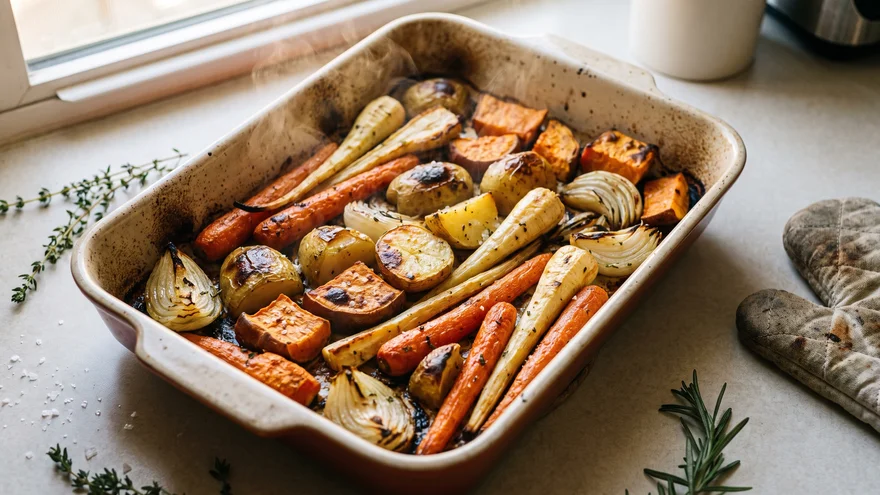
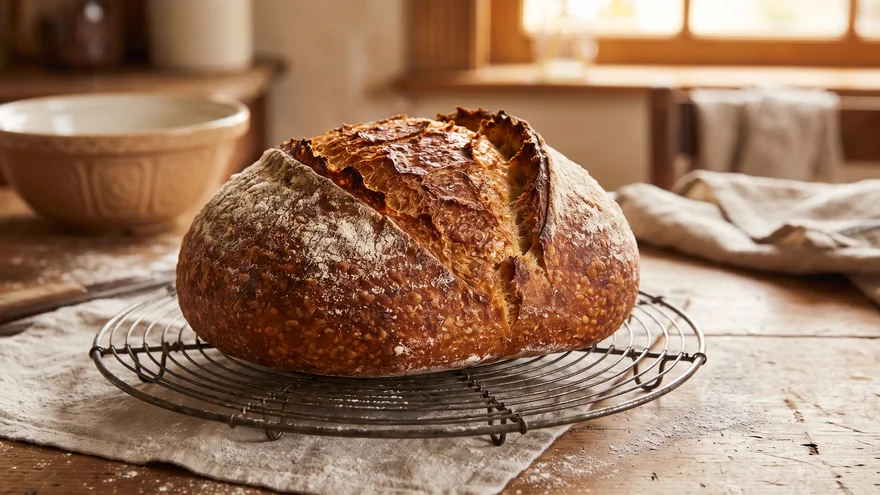
When you need a serious crust or quick caramelization, you have to push the dial past 400°F (200°C). This high-heat environment is essential for getting the maximum oven spring in artisan bread and activating the yeast quickly in homemade pizza dough. It is also the only way to properly roast root vegetables so they get crispy edges instead of steaming in their own juices.
Why Exact Math Doesn't Always Matter in Recipes
If you plug 350°F into a rigid mathematical formula, you will get exactly 176.666°C. You will never see 176.7°C printed in a cookbook because recipe developers prioritize practicality over absolute precision.
Cookbook authors round these numbers to the nearest clean interval to make kitchen life easier. That is why 350°F is universally translated as 180°C or sometimes 175°C. Similarly, while 170°C technically equals exactly 338°F, American recipes will simply round up to 350°F or down to 325°F.
Your oven dial is not a flawless scientific instrument anyway. Real oven temperatures naturally drift up and down during a cooking cycle. Factors like your oven's size, thermostat accuracy, and even your local altitude affect the actual heat hitting your food. Hanging a cheap, reliable oven thermometer off your center rack is the single best way to know exactly what is happening behind that glass door. Once you understand your oven's unique quirks, swapping between Celsius and Fahrenheit becomes second nature.